
A Transit System Built for the City We’re Becoming
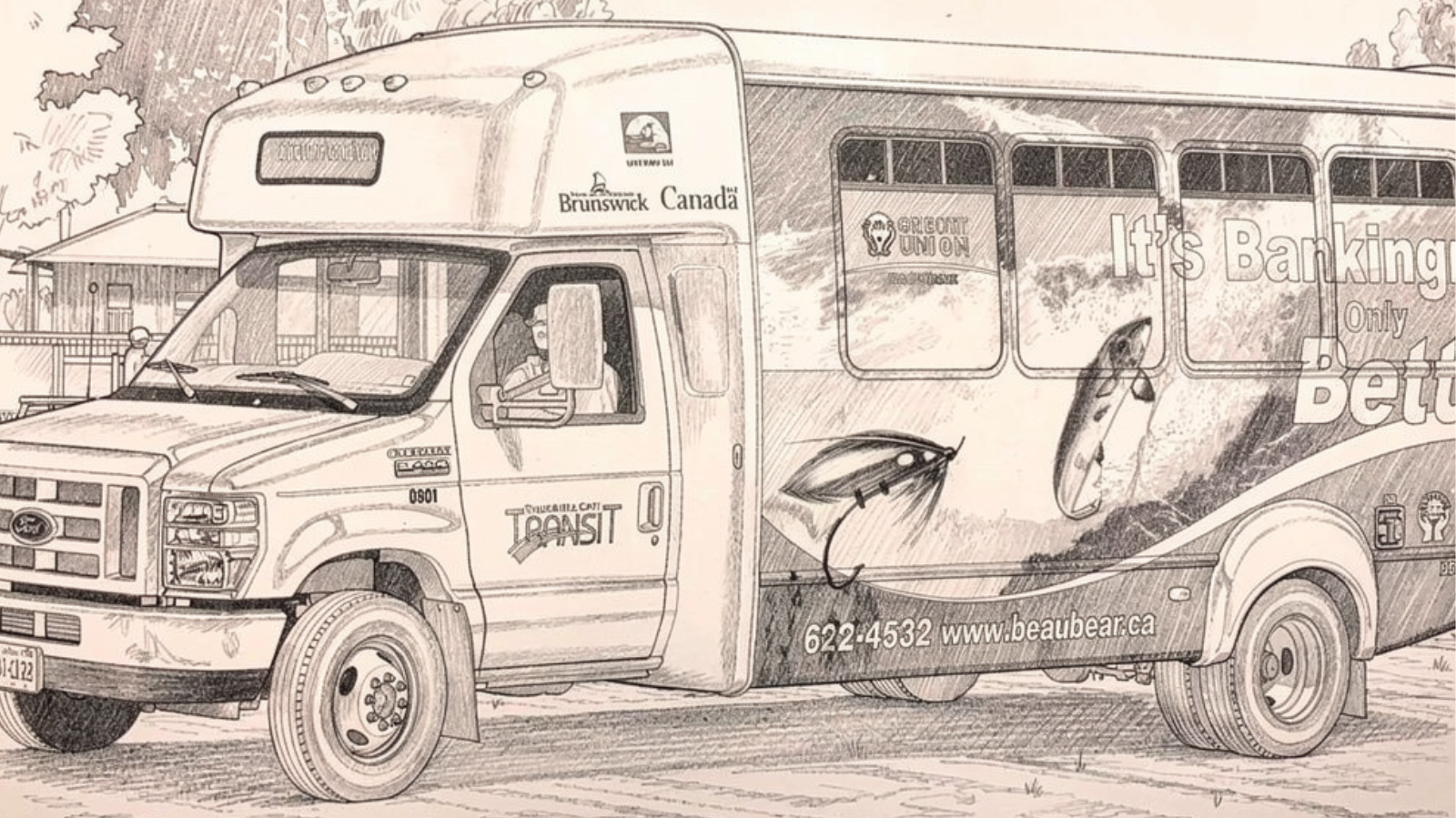
For the most part, people are telling me something important: transit in Miramichi is working.
It means the foundation is there. Routes are being used. People are relying on the system to get to work, appointments, and home again. That’s not something every small city can say.
It’s also worth recognizing that the City has recently brought transit in-house and placed it under the Economic Development department. That shift matters. It signals that transit is no longer just a service to manage, but a tool tied directly to workforce access, business growth, and how people move through our local economy.
Miramichi is growing, and our transit system is starting to feel that pressure. It’s working, but it needs to keep evolving to keep up.
What I’m hearing is consistent, and it’s practical. Routes are generally strong. People understand them. They’re usable. That’s a win.
But in Douglastown, especially around retail hours, there are gaps. When people are working shifts that don’t line up cleanly with the schedule, even a good route becomes unreliable. If you can’t get to work on time or get home without waiting too long, the system starts to break down for you.
There’s also a broader reality we have to face. Miramichi is not a compact city. We stretch across a large geographic area, and our transit system still operates in a way that feels more localized than regional. That might have worked when demand was lower, but it won’t hold if we continue to grow.
And then there are the ideas that don’t get talked about enough.
We already have an active transportation plan that looks at how people move across our community. There is an opportunity to think differently about how transit fits into that. Not just roads and buses, but how we use our waterways as part of the system. That’s not a gimmick. In the right context, it becomes another tool to connect people, especially in a city shaped by the river.
There’s also a model that keeps coming up in conversation. On-demand transit. A taxi-style bus system that fills the gaps where fixed routes fall short.
One example is FlexGo TaxiBus Bathurst, which offers an on demand door-to-door option layered on top of traditional transit. When I met with Kim Chamberlain, mayor of Bathurst, in March, they had just celebrated their 10,000th rider, only months after launching in January 2026. That’s an incredible early uptake. It doesn’t replace buses, it strengthens the system by giving people another way to move when routes or schedules don’t fit their lives.
That kind of approach is worth serious consideration here.
Because this isn’t theoretical.
I spoke with a resident who used to walk from Chatham to Newcastle for work when transit didn’t line up with her schedule. Not once. Not occasionally. Daily.
That’s not resilience. That’s someone doing everything right and still being let down by the system around them.
If we’re serious about affordability, workforce participation, and quality of life, then transit can’t be something that works most of the time. It has to work when people actually need it.
The next step for Miramichi isn’t to tear down what we’ve built. It’s to strengthen it.
That means better alignment with working hours. Smarter expansion across the full geography of the city. Exploring new options like on-demand service and, where it makes sense, making better use of how we already move along the river.
We don’t need to overcomplicate this. We need to listen to what people are telling us, pressure-test the ideas that come forward, and build a system that keeps pace with the city we’re becoming.
Because growth without mobility doesn’t work.
And a city that moves well is a city that works.
t.g.
